Workers servicing machinery shouldn’t gamble with their lives. Yet every year, preventable accidents occur because equipment starts unexpectedly during maintenance. The solution? Lockout tagout safety training—a critical defense against catastrophic injuries.
Lockout tagout (LOTO) isn’t just a procedural formality. It’s a structured system designed to isolate and control hazardous energy sources before any maintenance begins. When done right, it protects employees from electrocution, crushing injuries, burns, and worse. But when overlooked or poorly implemented, it fails—sometimes fatally.
This article dives into why LOTO training matters, how to execute it effectively, and what real organizations get wrong. If your team works with machinery, power sources, or industrial systems, this isn’t optional reading. It’s operational survival.
What Is Lockout Tagout Safety Training?
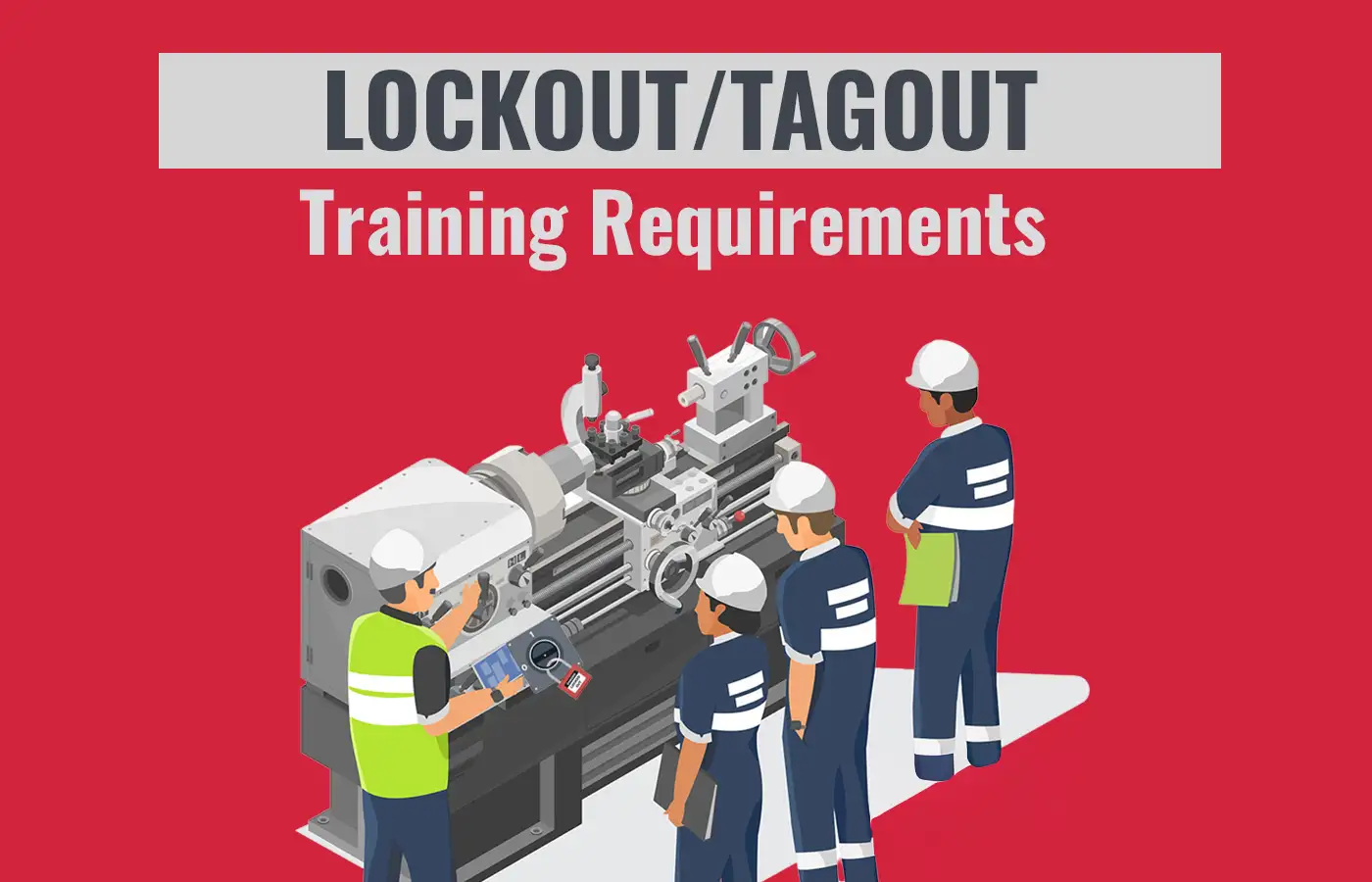
Lockout tagout safety training teaches employees how to disable machinery and secure energy sources before performing servicing or maintenance. The goal is simple: prevent accidental startup or release of stored energy.
"Lockout" refers to physically locking energy-isolating devices—like circuit breakers or valve handles—with a personal lock. "Tagout" involves attaching warning tags to those devices, indicating that equipment is unsafe to operate. Together, they create a layered safety protocol.
Training ensures that every employee understands:
- Types of hazardous energy (electrical, mechanical, hydraulic, pneumatic, chemical, thermal)
- How to identify energy sources on specific equipment
- The step-by-step process for applying and removing locks and tags
- Who is authorized to perform LOTO procedures
- What to do if a lock needs to be removed by someone other than the original person
Without training, even the most detailed LOTO policy is useless. People skip steps, assume risks are low, or misidentify isolation points. Training turns policy into practice.
Why OSHA Requires LOTO Training
The Occupational Safety and Health Administration (OSHA) mandates LOTO training under standard 29 CFR 1910.147. This isn’t arbitrary. The rule exists because people get hurt—often severely—when energy control fails.
OSHA estimates that proper lockout tagout practices prevent 120 fatalities and 50,000 injuries annually in the U.S. alone. That’s not just a statistic. It’s a testament to how effective training can be when enforced.
Under the standard, employers must provide initial and refresher training at least once per year. The content must be site- and equipment-specific. Generic videos or outdated manuals don’t cut it.
Key OSHA requirements include:
- Written energy control procedures
- Periodic inspections of LOTO practices (at least annually)
- Training for both authorized employees (who perform maintenance) and affected employees (who operate or use equipment)
- Documentation of all training sessions
Failure to comply can result in fines exceeding $15,000 per violation. More importantly, it increases liability in the event of an injury.
Who Needs Lockout Tagout Training?
Not everyone requires the same level of LOTO knowledge. OSHA distinguishes between two types of employees:
Authorized Employees These are workers who perform maintenance, repair, or servicing that requires disabling machinery. They must be trained to:
- Shut down equipment properly
- Isolate all energy sources
- Apply their personal lock and tag
- Verify zero energy state
- Remove locks only after work is complete
This group includes electricians, mechanics, machine rebuilders, and maintenance supervisors. They need in-depth, hands-on training.
Affected Employees These individuals operate or use equipment but don’t perform maintenance. Their training focuses on recognition and awareness:
- Understanding when LOTO is in effect
- Knowing not to operate locked-out machines
- Recognizing tagout devices as warnings
- Reporting damaged or missing locks
An assembly line operator, for instance, doesn’t need to know how to lock out a conveyor motor—but must never try to restart it if a tag is present.
Mixing up these roles leads to confusion. A common mistake? Letting operators remove locks because “the job looked done.” That’s a direct path to disaster.
Common LOTO Training Gaps You Can’t Ignore
Even companies with formal LOTO programs often overlook critical details. Here are the most frequent training weaknesses:
1. One-Size-Fits-All Procedures Using a generic checklist for all machines ignores key differences. A hydraulic press has different energy points than a conveyor system. Training must reflect equipment-specific hazards.
2. Lack of Hands-On Practice Watching a video isn’t enough. Employees need to practice locking out actual equipment under supervision. Muscle memory prevents errors during real shutdowns.
3. Infrequent Refresher Training Annual refreshers are the minimum. High-turnover environments or complex systems may need quarterly drills. Without repetition, knowledge fades.
4. Ignoring Stored Energy Many focus only on electrical sources and miss compressed air, springs, or suspended loads. A flywheel that keeps spinning after shutdown can still kill.
5. Skipping Verification Steps Applying a lock doesn’t guarantee safety. Workers must test the equipment—try to start it, check pressure gauges, discharge capacitors—to confirm zero energy.
One Midwest manufacturing plant reduced LOTO incidents by 78% in 18 months simply by adding hands-on drills and equipment-specific modules to their training.
How to Build Effective LOTO Training Programs
A strong program blends policy, practice, and accountability. Here’s how to build one that works:
Step 1: Conduct an Energy Audit Walk through each machine. Identify every energy source—main power, secondary feeds, pneumatic lines, gravity-fed components. Document isolation points.
Step 2: Develop Machine-Specific Procedures Create clear, visual LOTO instructions for each piece of equipment. Include photos, lock placement diagrams, and step-by-step shutdown sequences.
Step 3: Deliver Role-Based Training Separate training for authorized and affected employees. Use real equipment, not simulations. Include scenarios like: “What do you do if your lock key is missing?” or “Can you tag out without locking?”
Step 4: Implement Annual Inspections Assign a supervisor to observe live LOTO procedures. Check compliance, correct mistakes, and document findings. This fulfills OSHA’s inspection requirement and reinforces discipline.
Step 5: Encourage Reporting and Feedback Create a system where workers can report near-misses or confusing procedures. A mechanic who struggled to access a valve during lockout should be able to suggest a fix—without fear of reprisal.
Companies that treat LOTO as a living process, not a box-ticking exercise, see fewer incidents and smoother maintenance cycles.
Real-World LOTO Scenarios and Lessons Learned
Scenario 1: The Overconfident Mechanic A technician was repairing a packaging machine. He assumed the main disconnect was sufficient. He didn’t realize a secondary air line was still pressurized. When he loosened a fitting, the arm moved suddenly, crushing his hand.
Lesson: Always identify all energy sources. Assumptions kill.
Scenario 2: The Shared Lockbox Shortcut A maintenance team used a group lockout box with a single key shared among five people. When one worker left early, others removed the box without verifying completion.
Lesson: Each person must apply their own lock. Group lockout requires strict coordination and verification.

Scenario 3: The Missing Tag Translation A Spanish-speaking worker saw a lock but not a tag—because the tag was only in English. He assumed the machine was operational and started it.
Lesson: Tags must be in languages employees understand. Visual symbols help, but clear text is essential.
These aren’t rare edge cases. They reflect real failures in training and communication.
Technology That Supports LOTO Training
While LOTO is fundamentally a procedural and behavioral practice, technology can reinforce it:
- Digital LOTO Systems: Cloud-based platforms that guide workers through lockout steps, log actions, and store records. Some integrate with CMMS (Computerized Maintenance Management Systems).
- Smart Locks: RFID-enabled locks that track who applied them and when. Can prevent unauthorized removal.
- Augmented Reality (AR) Training: Interactive modules that overlay LOTO steps onto real equipment using tablets or smart glasses.
- Mobile Checklists: Apps that technicians use to verify each step, reducing human error.
However, tech can’t replace training. A smart lock won’t stop a worker from skipping verification. Tools should support—not substitute—sound safety practices.
Keys to Long-Term LOTO Success
Sustaining an effective LOTO program requires more than compliance. It demands culture.
- Management Buy-In: Supervisors must model correct behavior. If a manager pressures workers to skip lockout for speed, the system collapses.
- Clear Accountability: Assign ownership of LOTO procedures. Name the person responsible for updates, training, and audits.
- Integration with Safety Culture: Link LOTO performance to broader safety goals. Celebrate zero-incident milestones.
- Continuous Improvement: Review incidents and near-misses. Update procedures based on real feedback.
One automotive plant reduced unplanned downtime by 22% after integrating LOTO audits into their daily safety huddles. Workers began catching issues before they became hazards.
Closing: Make LOTO Training a Daily Habit
Lockout tagout safety training isn’t a one-time event. It’s a continuous discipline that protects lives. The best programs don’t just teach steps—they build awareness, responsibility, and respect for energy control.
Start by auditing your current training. Is it specific? Is it practiced? Is it enforced?
Then, empower your team with the knowledge and tools to act safely—every time. Because no deadline, no production pressure, no convenience is worth a life.
Train thoroughly. Audit regularly. Never compromise.
FAQ
What is the main purpose of lockout tagout training? To ensure workers can safely isolate hazardous energy sources during maintenance, preventing accidental startups and serious injuries.
Who is responsible for providing LOTO training? Employers are legally required to provide initial and annual refresher training to all affected and authorized employees.
Can tagout be used without lockout? Yes, in some cases—but only if the equipment design doesn’t allow for a lock. Tagout alone is less secure and requires additional safety measures.
How often should LOTO procedures be inspected? OSHA requires periodic inspections at least once every 12 months, conducted by a supervisor who isn’t involved in the procedure.
What happens if a worker forgets their lock? The lock should only be removed under a formal, documented process—typically involving a supervisor and verification that the worker is clear of the equipment.
Do contractors need LOTO training? Yes. Any outside worker performing servicing on your equipment must follow your LOTO procedures and receive proper training or verification.
Can LOTO training be done online? Yes, but only if supplemented with hands-on practice. OSHA requires demonstration of competence, not just knowledge.
FAQ
What should you look for in Lockout Tagout Safety Training: Protect Workers, Prevent Accidents? Focus on relevance, practical value, and how well the solution matches real user intent.
Is Lockout Tagout Safety Training: Protect Workers, Prevent Accidents suitable for beginners? That depends on the workflow, but a clear step-by-step approach usually makes it easier to start.
How do you compare options around Lockout Tagout Safety Training: Protect Workers, Prevent Accidents? Compare features, trust signals, limitations, pricing, and ease of implementation.
What mistakes should you avoid? Avoid generic choices, weak validation, and decisions based only on marketing claims.
What is the next best step? Shortlist the most relevant options, validate them quickly, and refine from real-world results.